THE INVISIBLE CAMERA
Aging is weird and wonderful. My obligation to the perspectives of others has diminished as I strive to live as authentically as possible. I feel this shift intensely in my photographic process, which mutates at the speed of a viral infection. I upgraded my digital camera for the first time in nearly eight years last month. For someone who used to obsess over specs—the mark of a technician, not an artist—that's an eternity. My A7R II was brutally slow, the only thing it did fast was run out of power, but I found myself out in remote locations shooting pictures of things that didn’t move much, so my ancient Sony was just fine. Occasionally I'd take on a freelance assignment that required me to track subjects in the dark or be quicker than a snail on vacation and my camera would frustrate me, but those experiences were rare. Running into peers with A7R IVs and A9s, cameras so efficient you’d think they were sentient, didn't inspire envy only shrugs. I focused on glass and exploring spaces I’d never visited, but eventually I did upgrade to the A7R V, Sony's first camera with an A.I Auto Focus processing chip, yanno ... Skynet stuff. Why? Well, I got tired of noticing my camera.
In the last eight years I've acquired six film cameras, half of which are medium format, two are 35mm (both point and shoots), and the other a Polaroid. When I purchased my first film camera, a Pentax 6x7, I was emerging from a failed freelance photo stint. My inability to convert my craft into a paying trade blunted my love for it and dulled my creative mind. I wasn't shooting much and I desperately wanted to change that. I had just accepted my first game development job and I feared losing that element of my identity. One day we'll talk about my toxic "my craft proficiency = my life value," mentality but today isn't that day. I needed to jumpstart my creativity and the best way to do that was to challenge myself with a new tool, a new system complete with a process that took up space.
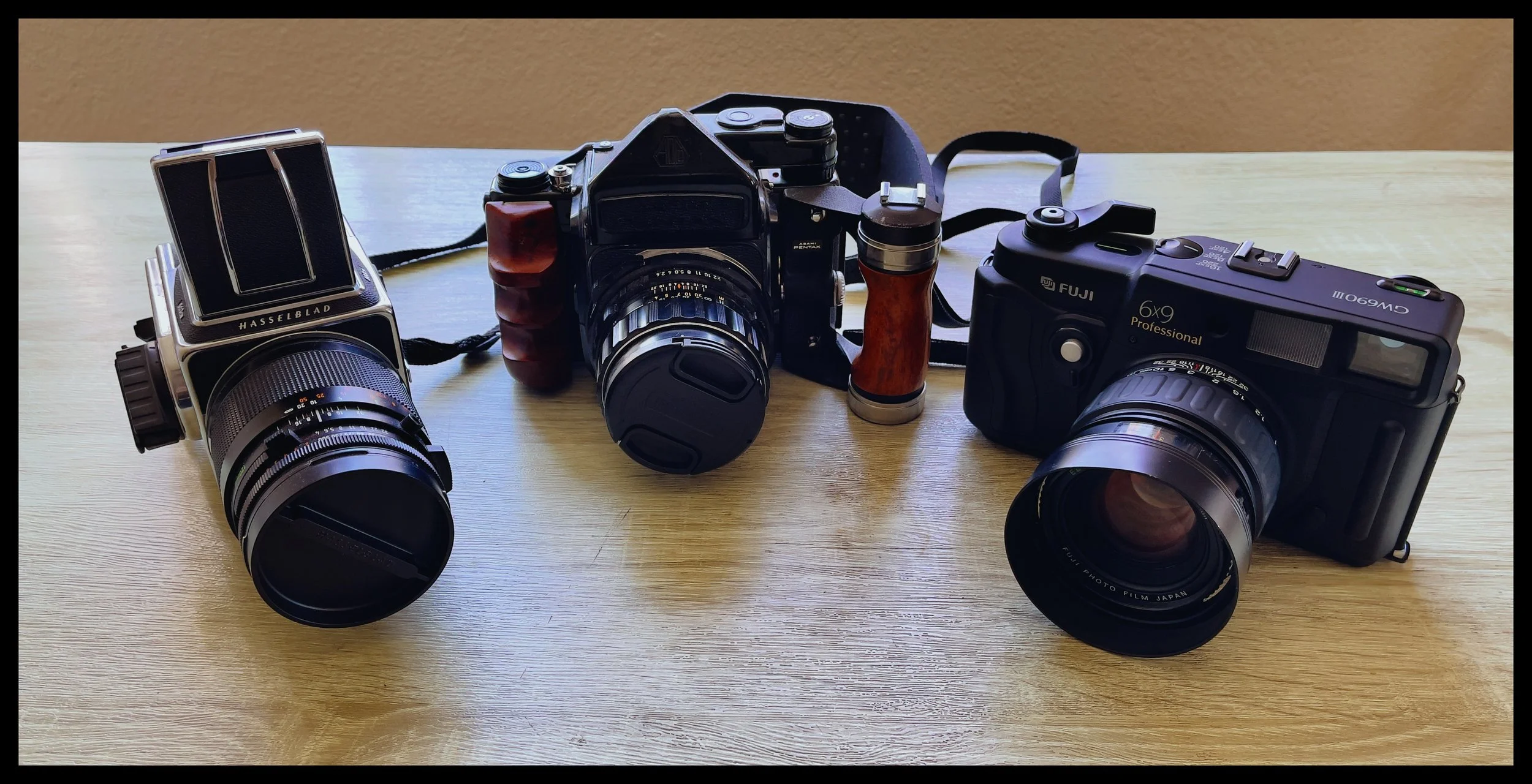
The Pentax forced me to focus on things that had become instinctual, exposure, focus, framing (especially when using a waist level finder!). I had to learn what made a lab good, which I did by losing shots at bad labs or having to redo streaky scans with weird color shifts in them. There was all this STUFF to occupy my brain and keep me engaged when inspiration had abandoned me and work was encroaching on every square foot of mental real estate I had. The trouble was once I completed this challenge and learned the ways of celluloid, it was less engaging than it was distracting. The novelty of the alchemy, the tediousness of the process, the heftiness of the tools ... it became an anchor around my ankles.
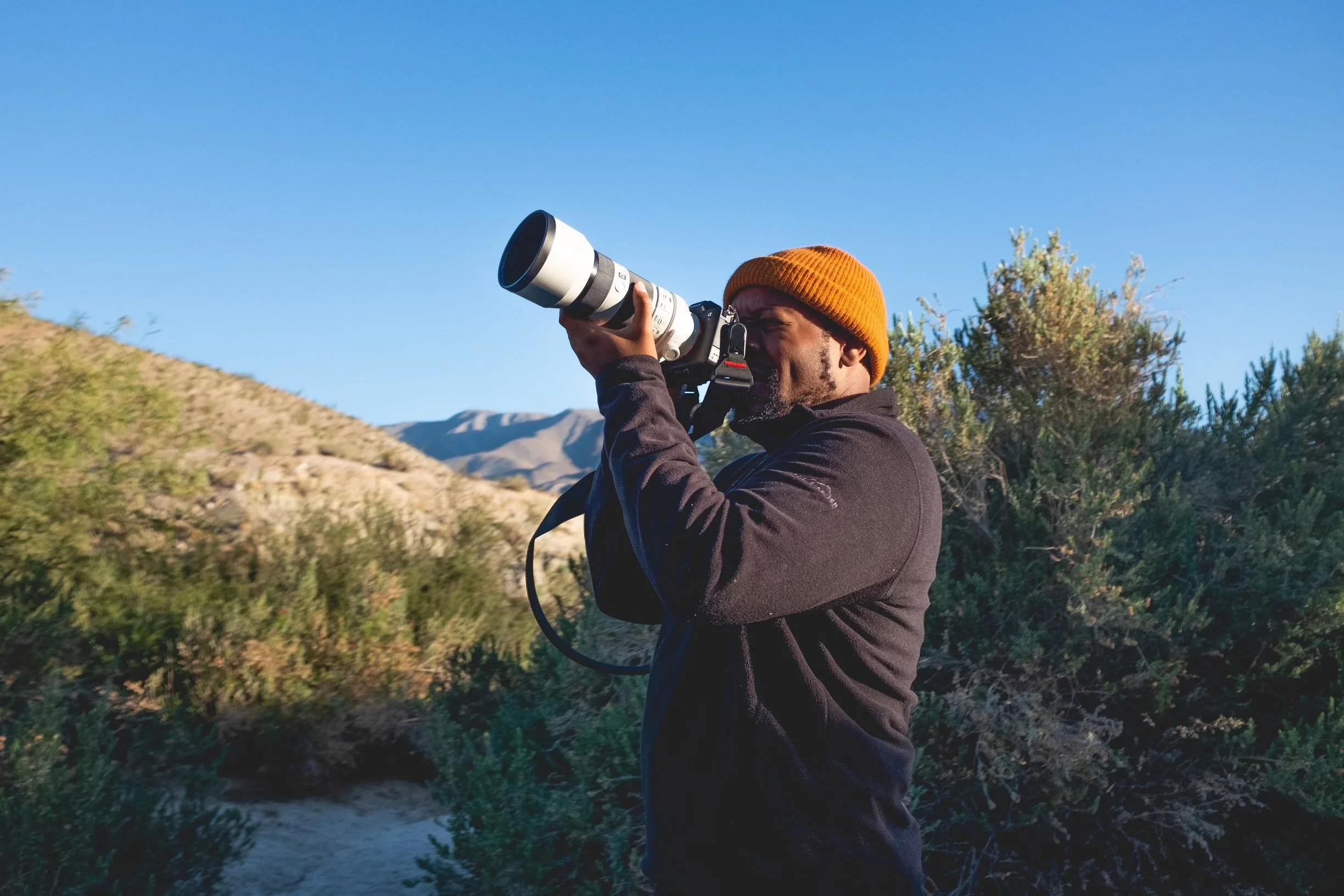
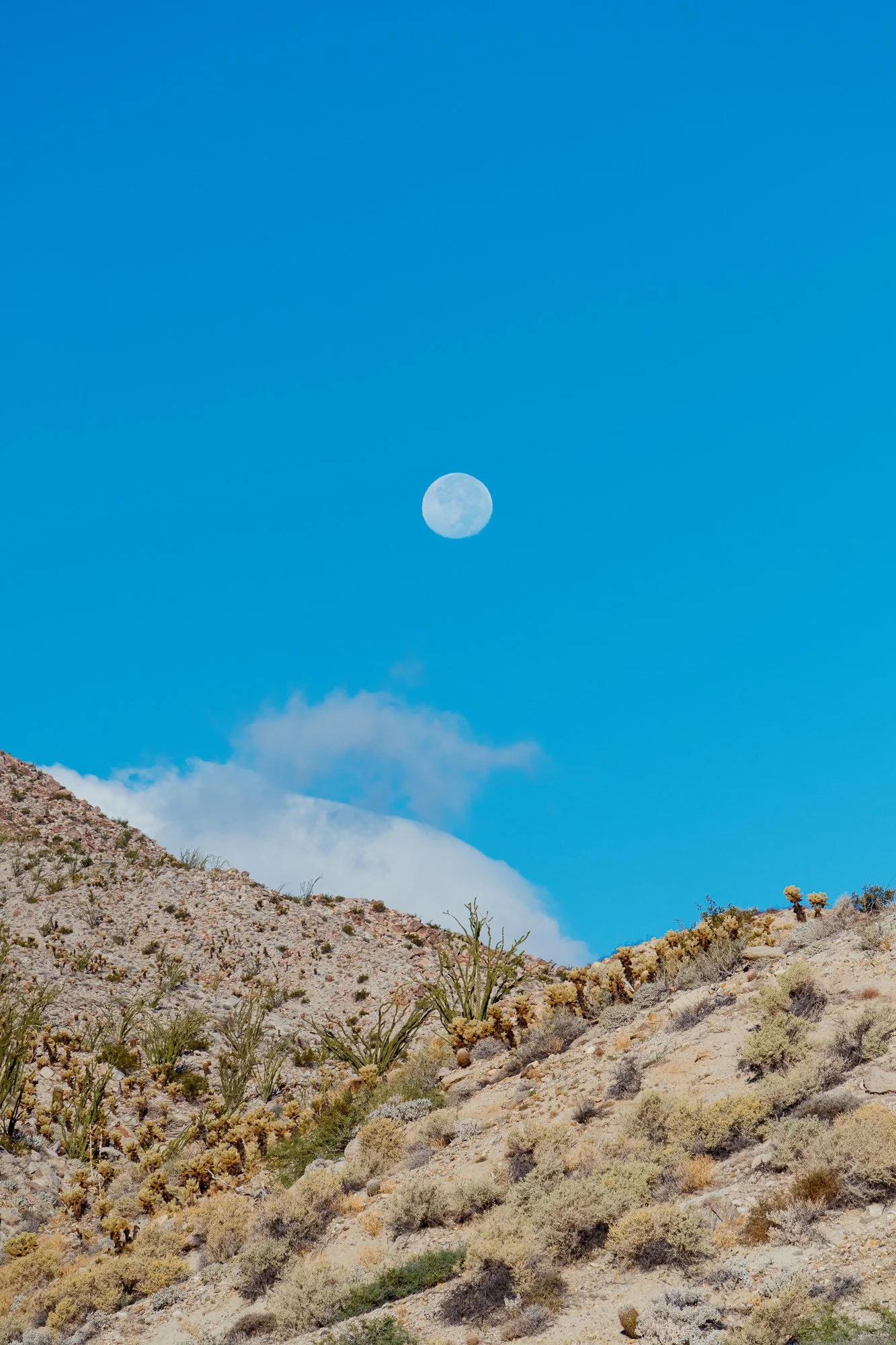
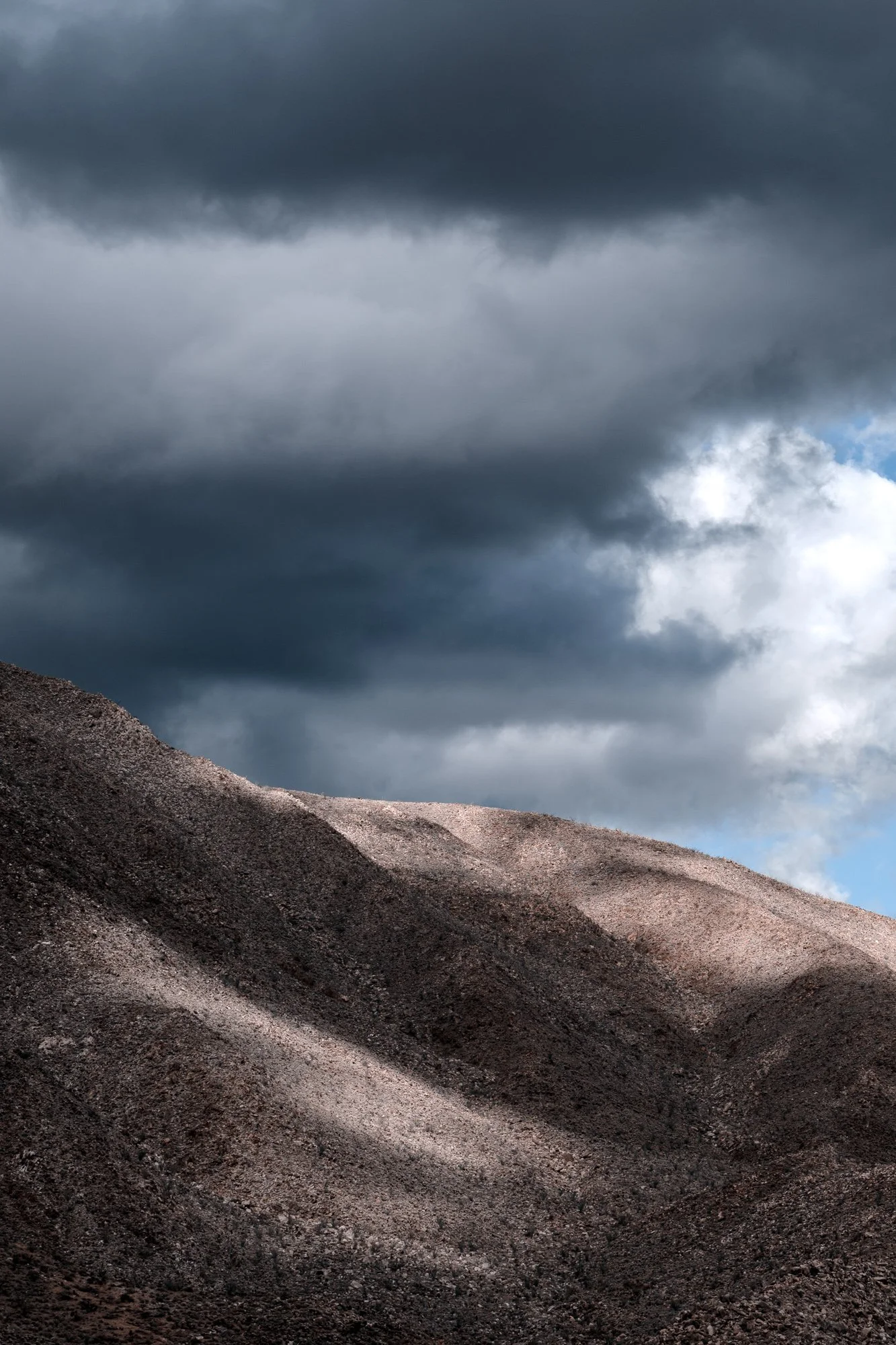
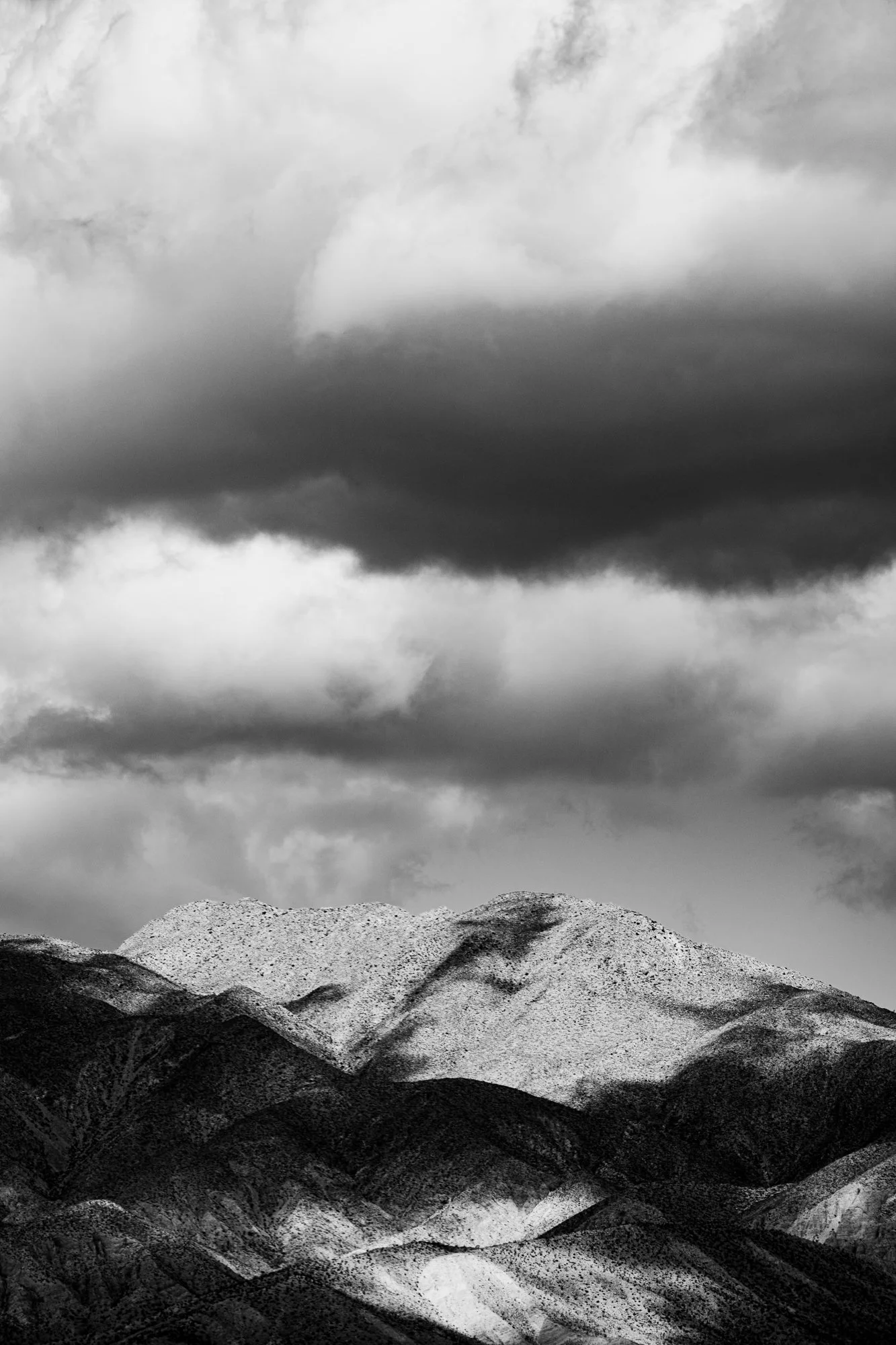
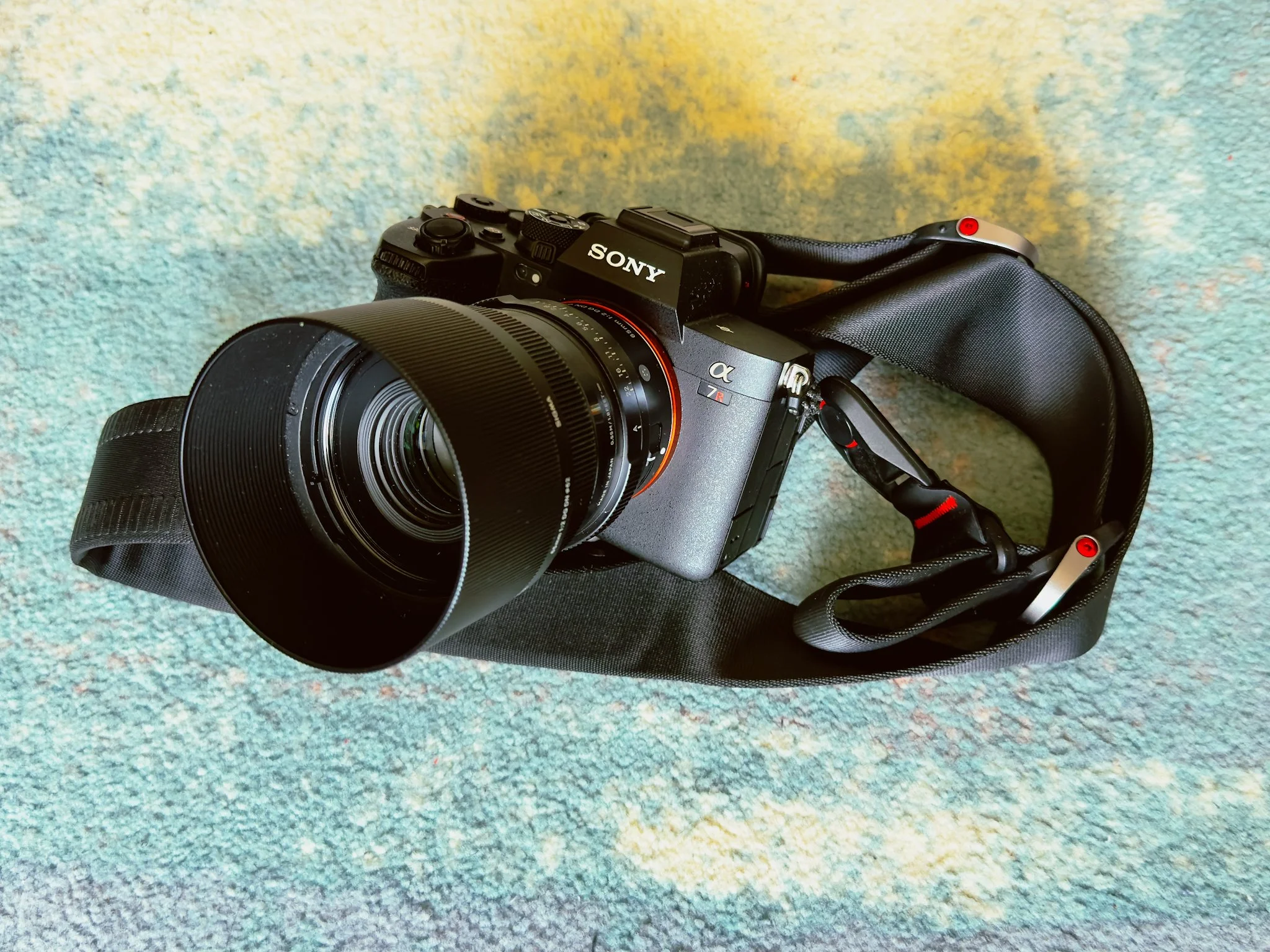
I love gadgets & gizmos, but my favorite camera is an invisible one. A device that dissolves into my hands, maps its lens to my eye and makes me a singularity believer. The A7R V always knows who's the star of the photo. It never assumes I want to focus on a rogue element in front of my subject or the foreground element I've intentionally placed between us. It's got smarts and it's clingy as fuck. It sticks to whoever I tell it to like it's on security detail. The viewfinder may as well come with an IMAX brand deal because it's YYYUUUUGE, but I do hate the resolution dip when you acquire focus. The body is substantial but not DSLR thiccc like the competition, it's balanced. The upgraded IBIS unit allows me to capture 1 second exposures without sticks. It's got a fat buffer to hold those phat 61MP images and it doesn't make me wait 10 seconds to review my captures like the A7R II did (shut up and let me chimp in peace). It's a diligent device with enough custom buttons to allow me to avoid the engineer-designed menu system and keep my eyes on the scene.
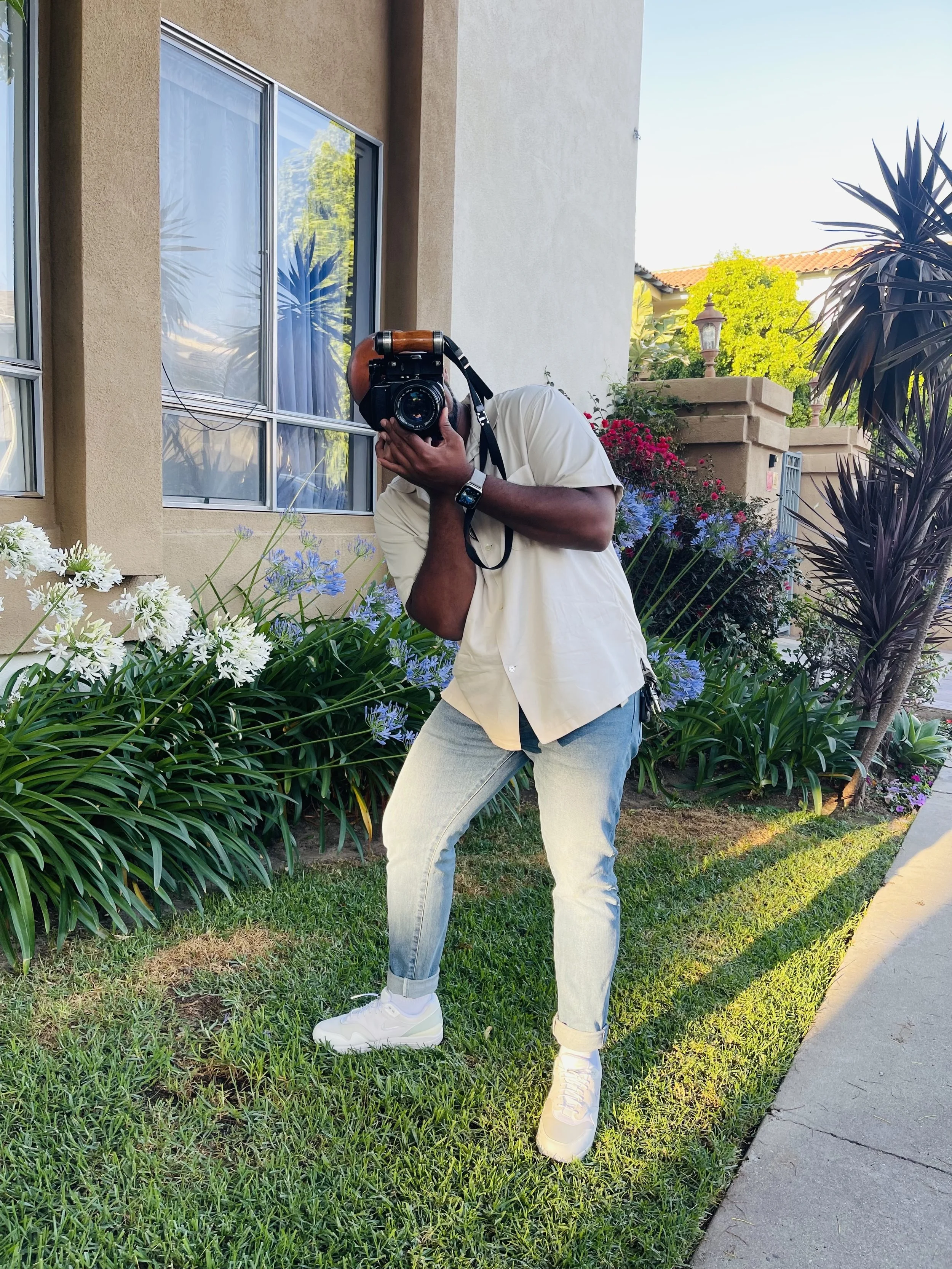
What my A7R V delivers in immediacy it lacks in tactility. Film cameras have chhhks, and clacks, and shhhnicks, and snnnzzzpss, things that feel amazing to my little lizard brain. All of my medium format cameras are purely mechanical and a joy to fiddle with. There are no menus, often no custom buttons, which speaks to their limited—read, focused—functionality but they provide such great feedback to the operator. We've gotten away from tools like this. While some of our phones employ haptics to provide feedback to solid-state buttons, they're often sparingly used and not all that satisfying. Modern cameras with all their custom buttons feel homogenous, impersonal, and brutally functional, not to mention ugly. This is at the core of Fuji's rise, they make beautiful cameras that are fun to use and come packed with film simulations that give their system a unique identity. Why can't others manufacturers see that?
I'll continue to collect and play with film cameras but outside of the A7C R I'm eyeing—a camera that's ostensibly an A7R V on a keto diet— I doubt I'll buy another digital camera in the next decade. There's simply no need, my camera now matches the speed that I see, and if aging has taught me anything, it's that I'm getting slower as the years proceed. There are some artists for whom the process is the juice. The checklists, the timers, the waiting. I do a lot of waiting ... and driving and walking and climbing to picture opportunities. Once I’m there, I sometimes spend hours noticing. Wisps of sand levitating off the edge of cliffs. Bubbles forming on the crest of land as the ocean traps air in its grip. Flames surging through clouds at the death of day. When the stars align and the moment arrives I want the intimacy of the moment and I.